

Remote Patient Monitoring Solution

Connected Wearables & Home Hubs for Patients Beyond the Hospital

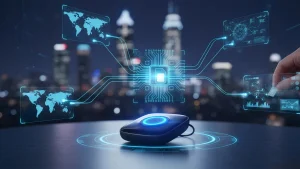
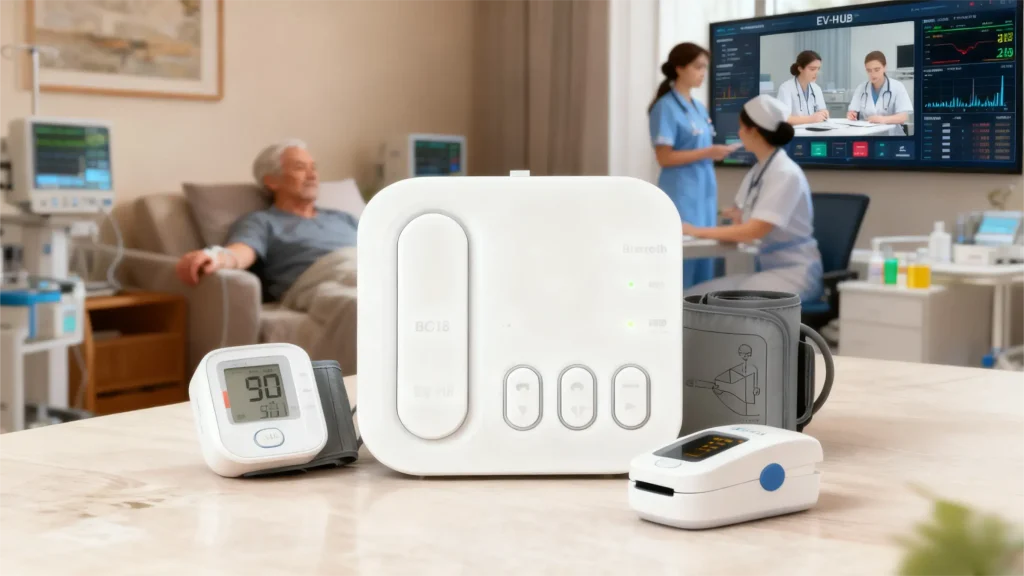
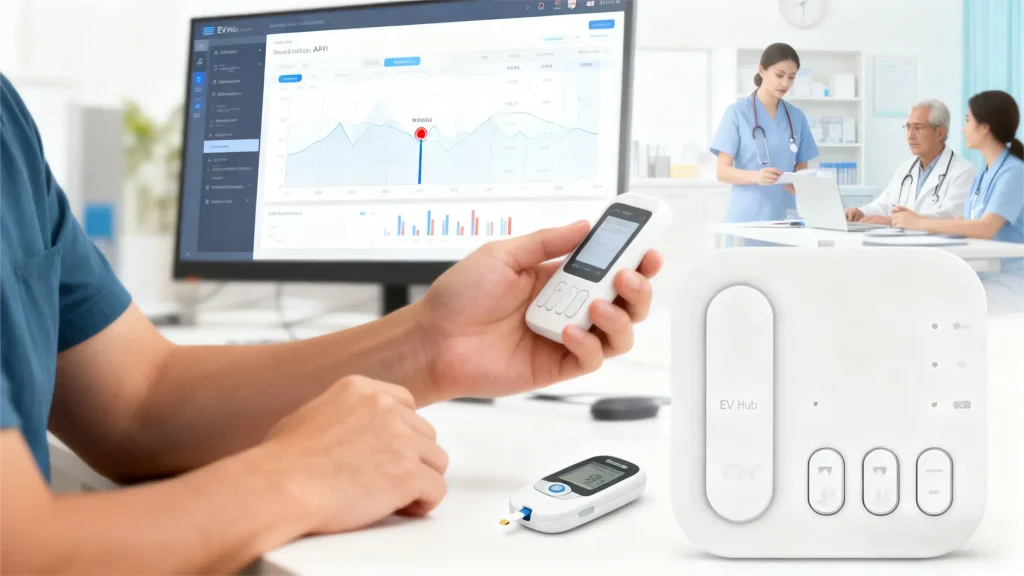
A flexible remote patient monitoring (RPM) solution that combines connected wearables, home hubs and open protocols, designed for platforms, hospitals, clinics and home care providers that want to extend patient monitoring safely from hospital to home.

Why extending care from hospital to home is still difficult

Many RPM initiatives start with good intentions—but struggle with patient adherence, device reliability and integration into clinical workflows.

Why apps and consumer wearables alone are not enough

Many pilots start by combining a phone app with a consumer wearable. This is useful for learning—but often not enough for structured RPM programmes.

Business impact for RPM providers

For platforms, hospitals and care organisations, RPM must be clinically meaningful, operationally realistic and financially sustainable.

Phone-dependent experience

If everything depends on the smartphone being charged, nearby and connected to Wi-Fi, the patient effectively loses monitoring whenever the phone is off, misplaced or shared with family members.

Data locked in closed ecosystems

Consumer wearables often keep data inside proprietary clouds or apps. Export options may not support near real-time access or integration with clinical platforms.

Hard to standardise across patient groups

Different devices and apps for each condition quickly create complexity for clinicians, IT and support teams. RPM programmes need consistent, manageable device portfolios.

 
Clinical risk

If data is unreliable or rarely available, clinicians cannot trust it to change decisions.

Operational burden

Helpdesks spend time troubleshooting devices instead of supporting care teams.

Programme scale

Solutions that work for 20 patients may break when you reach 2,000 patients across regions.

Key technical pillars behind the RPM Solution

Built for real-world patients and programmes, not just lab demos.

Simple patient experience & adherence support

Devices are designed to be worn and used daily by non-technical patients. Clear indicators, voice prompts and simple routines (wear, charge, follow reminders) help support adherence over weeks and months.

Reliable connectivity & device management

Cellular connectivity, optional home hubs and remote configuration minimise “no data” days. Fleet management tools help teams see device status, battery level and connectivity without calling each patient individually.

Open protocols & flexible integration

Eviews devices use documented protocols so your RPM or telehealth platform can ingest data directly. This helps you keep control of your data, user interfaces and clinical logic while standardising the device layer.

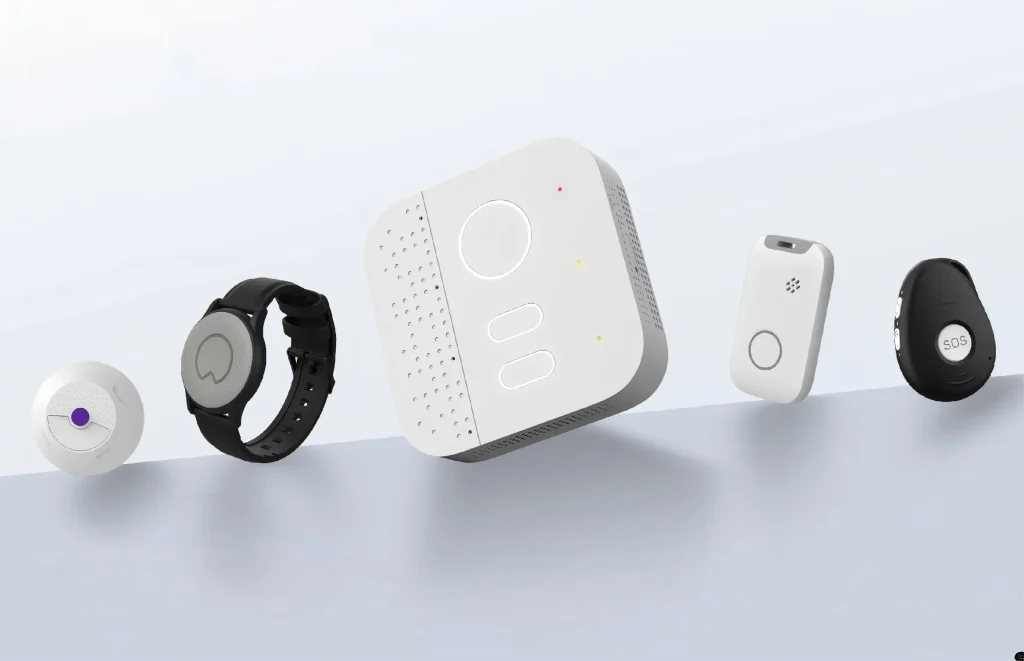
RPM-ready devices for patients at home

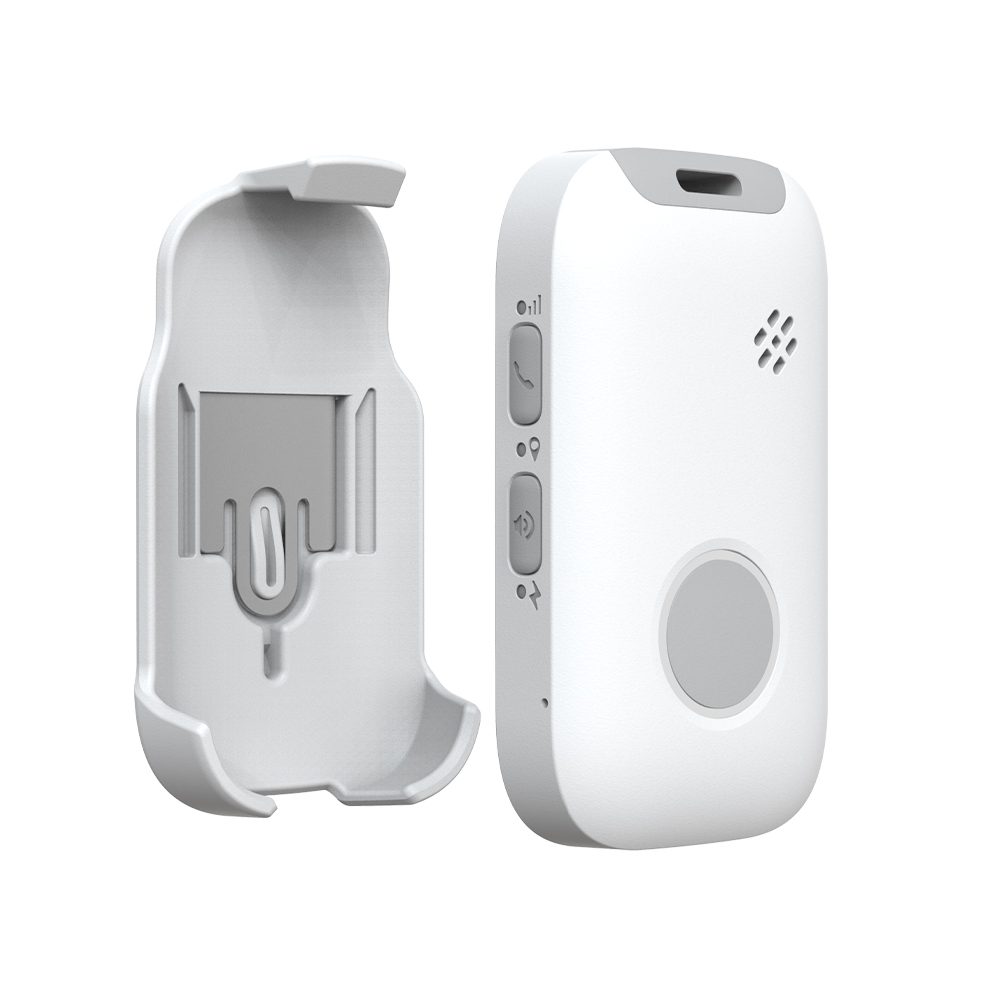
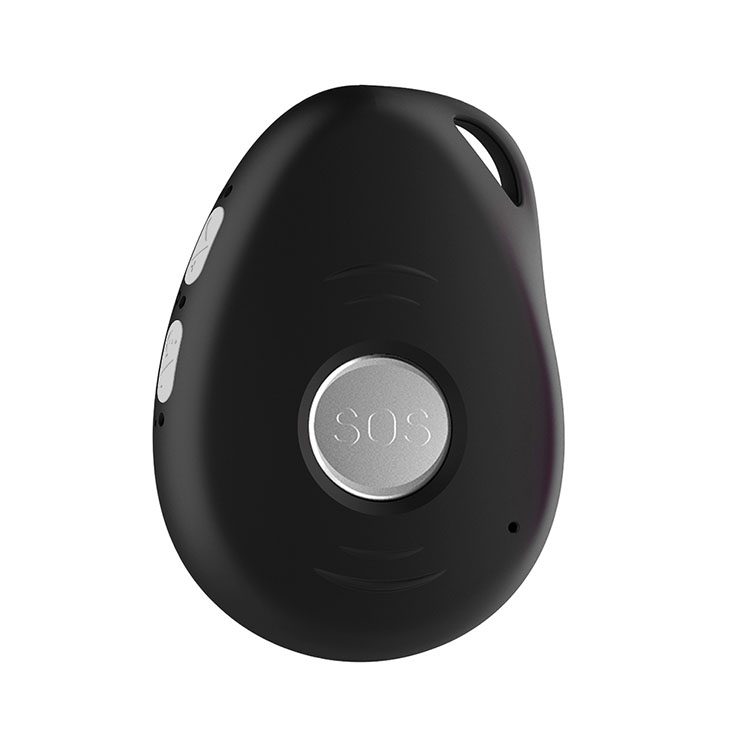
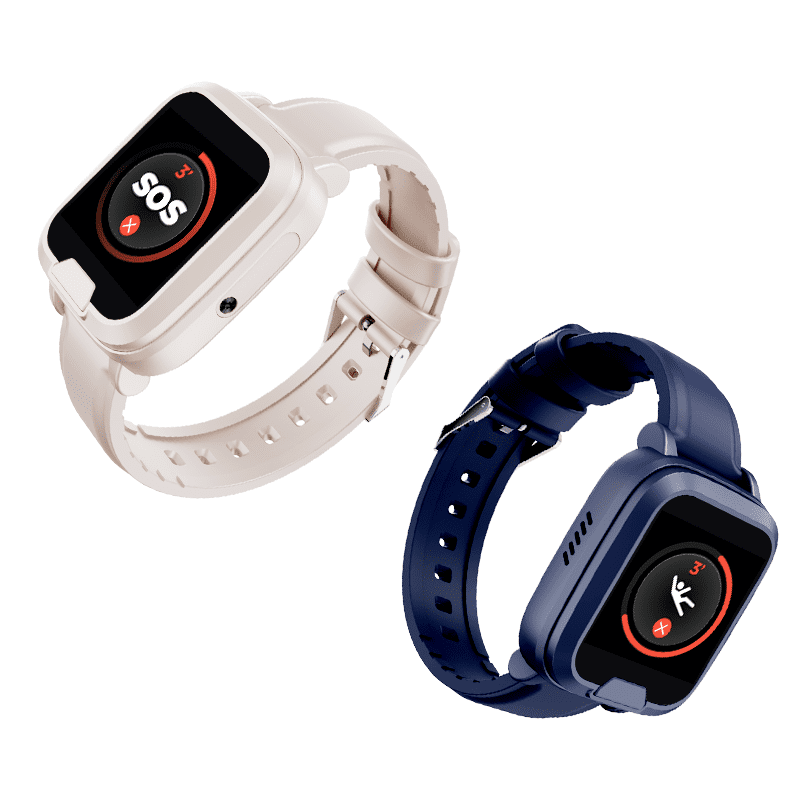
Choose devices that match your programme: from safety-focused wearables to home hubs that connect multiple peripherals.

EV 12 Clip 8 Eview

EV-12

Personal Mobile Alarm System

主图 1 Eview

EV-07B

GPS Tracking Device

EV 06 30 Eview

EV-06

LTE SOS Personal Safety Watch

How partners use RPM-style connectivity in care programmes

Three example scenarios showing how connected devices can support broader RPM strategies.

Reducing Hospital Readmissions with Post Acute Care 1 Eview

A hospital partners with an RPM platform to follow up with heart failure patients after discharge. Patients receive a simple wearable plus measurement devices, while Eviews connectivity helps the platform collect usage and safety signals between scheduled readings.

Scaling Chronic Disease Management for a Large Clinic

A primary care group uses connected devices to support patients with multiple chronic conditions. Practice nurses use a single dashboard to see whether patients are active, wearing devices and responding to alerts, so they can prioritise outreach.

EVbanner

A home care organisation combines elderly safety devices with its own RPM platform. Care teams gain additional context on daily patterns and safety events, beyond traditional visit notes.

Topology Diagram

Based on medical grade intelligent products, it connects patients and doctors to achieve a closed-loop management ecosystem of continuous monitoring outside the hospital, data-driven decision-making, and remote doctor-patient interaction.

elder life

Customize the RPM device layer for your programme

Use Eviews hardware and connectivity as a building block inside your own RPM or connected care offering.

Branding & patient-facing design

Adapt colours, icons, straps and labels so devices feel like part of your programme, while remaining easy to explain and use for patients.

Behaviour & prompts

Configure voice prompts, LED patterns and reminder logic to support your specific RPM protocols and patient education approach.

Connectivity & regions

Choose cellular modules and SIM strategies that fit your coverage, roaming and data requirements across target regions.

Protocol & integration support

Work with our engineering team to integrate device data streams into your RPM, telehealth or EHR-connected platform using documented protocols.

Kits & logistics for patients

Define what goes into each patient kit—from devices and chargers to guides—so that programmes can ship ready-to-use sets at scale

Regional requirements

Align power adapters, languages and labelling with your local requirements. Formal classification as a medical device, if needed, remains under your regulatory strategy.

FAQ

The most frequently asked questions

Yes. Our devices support standard communication protocols (TCP), and we provide full protocol documentation, API/SDK support, and OTA update capabilities. They are pre-integrated with major platforms like Wialon, GPSWOX, Traccar, and GPS-Server.

 Yes. We support logo branding, customized packaging, startup animations, user manuals, and even platform UI adjustments for OEM/ODM clients.

Our devices are certified with CE, FCC, RoHS, and ISO standards. Some models also support Verizon or local carrier certifications depending on your region.

Yes. We highly recommend sample testing to verify functionality and platform integration. We provide technical support during the trial phase.

Our FAE team offer dedicated technical support via email, phone, or online chat. Firmware updates, troubleshooting guides, and spare parts are available.

We offer flexible firmware customization including voice prompts (multi-language), LED indicators, fall alarm sensitivity, and SOS call sequence based on your specific use case.

Our mPERS models support 4G LTE, GSM fallback, and optional Cat M1/NB-IoT depending on the model. Please consult us for regional compatibility.

Battery life depends on usage frequency and features enabled. Typically, standby time ranges from 3 to 7 days. For longer deployments, we offer power-saving configuration options.

Yes. All configurations (SOS number, APN, server address, etc.) can be done via remote SMS, cloud commands, or OTA configuration portal.

Sample orders typically ship within 5–7 working days. Bulk orders vary from 15–25 working days depending on quantity and customization. MOQ for OEM is usually 1000 units.

Latest News

Welcome to Eview GPS! Don’t be hesitated to join in if you are:

Contact us

For any requirement, our team will be happy to respond to you inless than 24 hours.

Your information will be kept strictly confidential.